Best specialty coffee in Indonesia

So far, we've found 19 great specialty coffee roasters in Indonesia. Have we missed any?

A few to start with

Jump to all 19 roasters ↓

Overview

Specialty coffee in Indonesia, in brief

Indonesia has always been a major coffee producer — but lately it's become a major coffee drinker too, with consumption tripling since before the pandemic. That growing demand is where the specialty scene comes in.

Pioneers

Where the scene started

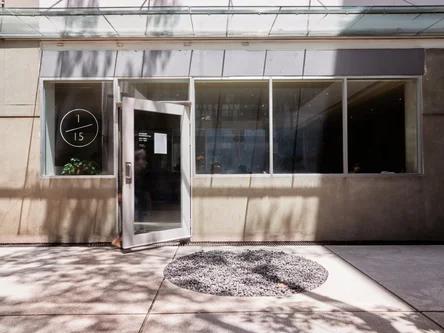
Indonesia's third wave has a widely agreed starting point: One Fifteenth Coffee, which opened in Jakarta in 2012. Within a few years the capital alone had gained more than 40 independent micro-roasteries.

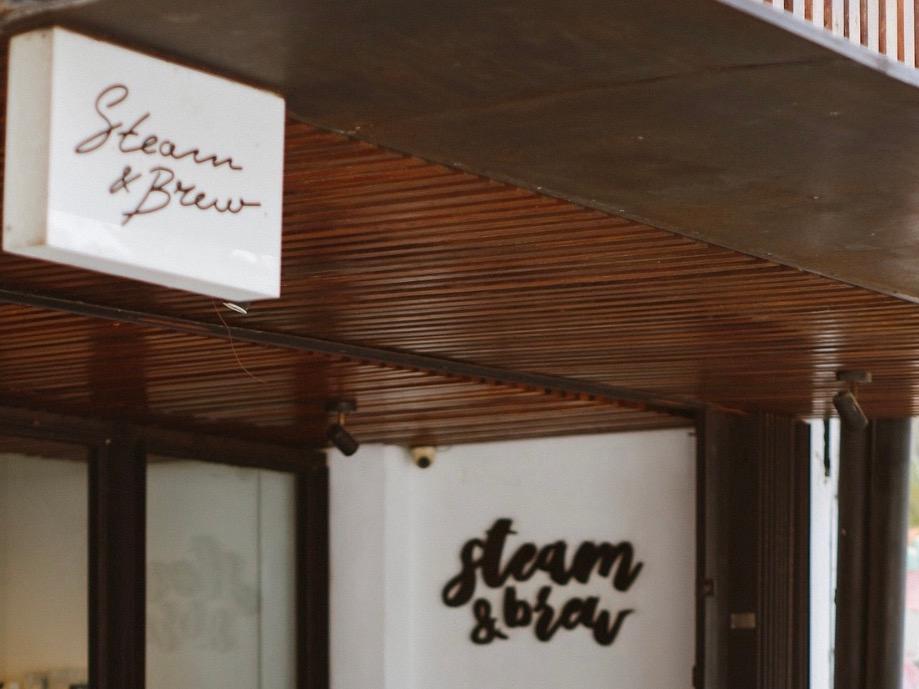
That first generation of roasters is still easy to find on this list. In Yogyakarta, Klinik Kopi has been roasting since 2013 and Hayati since 2017, and over in Semarang, Steam & Brew has been at it just as long.
Awards & recognition

Award-winning talent

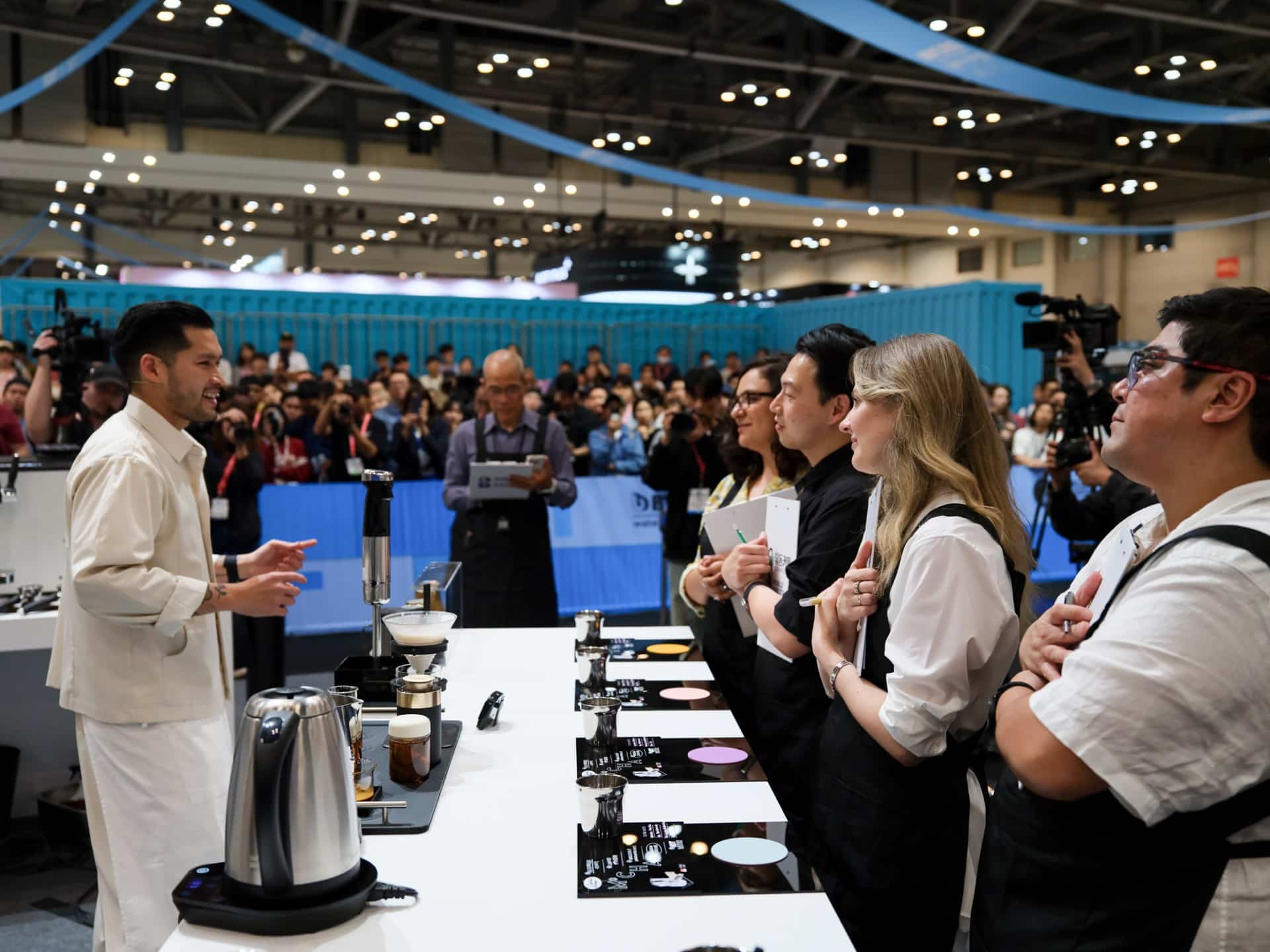
In 2024, Mikael Jasin became the first Indonesian to win the World Barista Championship: proof the country produces competitive talent, not just green coffee.

The circuit behind that win keeps growing. The Indonesia Coffee Expo in Jakarta now runs an Indonesia Barista Championship regional heat alongside farmers, roasters, and buyers, a sign the industry increasingly treats itself as one connected ecosystem rather than separate silos.

A barista presenting drinks to a row of judges on stage at the World Barista Championship, with a crowd watching behind.

The first Indonesian World Barista Champion was crowned in 2024.

Image by Specialty Coffee Association

Popular beans

The known names

Gayo, Mandailing, Toraja, and Kintamani are the origins most specialty buyers already know and ask for. Gayo even carries EU geographical indication status, the same kind of protection given to Champagne or Parmigiano-Reggiano.

Most are processed through giling basah (wet-hulling), Indonesia's own method that trades bright acidity for heavier body and earthy, herbal depth. See the full regions table below for how each one actually tastes.

What's emerging

What's next to ask for

Flores and Papua Wamena are the origins specialty roasters are currently discovering, and a small but growing number of lots are being processed as “wine coffee”: extended whole-cherry fermentation that produces a bold, almost red-wine character.

It's worth watching now more than ever. Rising robusta prices and shrinking arabica harvests are making well-sourced specialty lots genuinely harder to secure, which is part of why the roasters with real relationships at origin matter.

Coffee regions of Indonesia

Indonesia has a dozen regional coffee flavours, not one. Gayo grows almost a third of the country's arabica and ships to specialty roasters in Germany, Japan and the US. Toraja made its name in Japan, and Kintamani became Indonesia's first protected origin. The table below breaks down what sets each one apart.

RegionProcessAltitudeFlavour notes
Sumatra
GayoEU GI statusWet-hulled1,200–1,600 mCleanest of the Sumatran origins; floral, with more sweetness.
MandailingWet-hulled1,000–1,500 mThick, chocolatey, herbal. The classic old-school cup.
LintongWet-hulled~1,400 mHeavy, syrupy body; cedar and dark cocoa.
South Sumatra lowlandsLampung, BengkuluRobusta · naturalLowlandNot specialty-grade as a rule, but this is the bulk of what Indonesia actually exports, and why robusta dominates national production.
Sulawesi
TorajaWet-hulled1,200–1,800 mFull body, low acidity, earthy-sweet.
Enrekangaka KalosiWet-hulled / washed1,200–1,800 mWet-hulled: dark chocolate, sweet spice, earthy body. Increasingly washed too: peach, lemon, black tea, brown sugar.
Bali
KintamaniWashed900–1,500 mBrighter and cleaner than most Indonesian coffee; citrus.
PupuanrobustaNatural700–1,200 mLower-altitude robusta, not arabica like Kintamani. Full-bodied, earthy, bold and nutty with a hint of chocolate.
Nusa Tenggara
FloresBajawa, ManggaraiWashed / natural1,200–1,700 mBalanced, caramel-sweet, less earthy than Sumatra. Growing specialty interest.
Papua
WamenaBaliem ValleyWashed1,400–2,000 mClean, sweet, floral; chocolate and caramel, a nutty citrus lift, soft acidity.
Java
Java PreangerWashed1,200–1,500 mSmooth, very low acidity; dark chocolate, toasted nuts, warm spice, a cedar-like finish. Where “a cup of Java” comes from.

All roasters in Indonesia

19 roasters

Read more

Go deeper

Want to explore further? Longer reads on specialty coffee, from the basics to what's brewing now.